
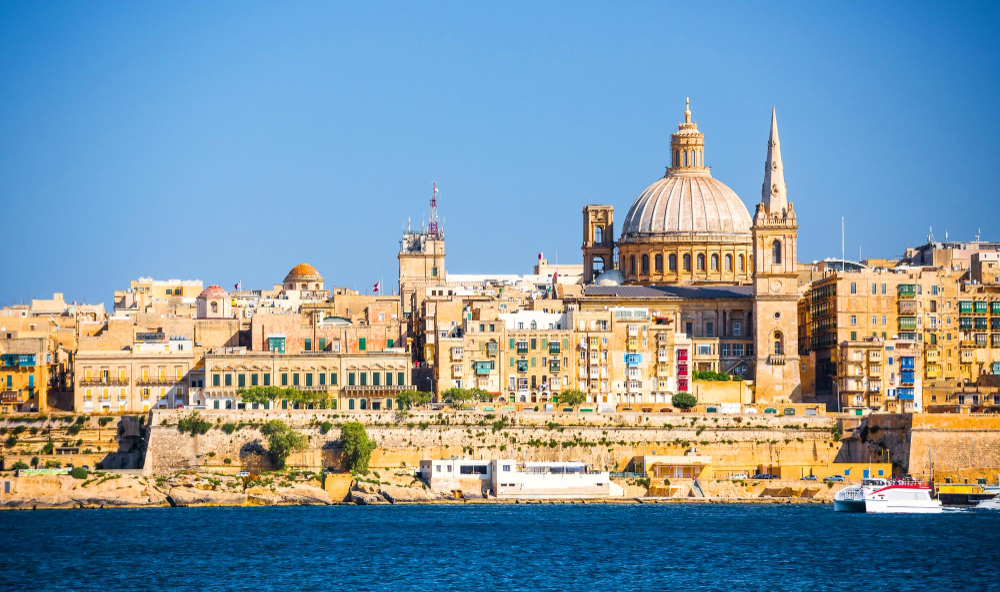
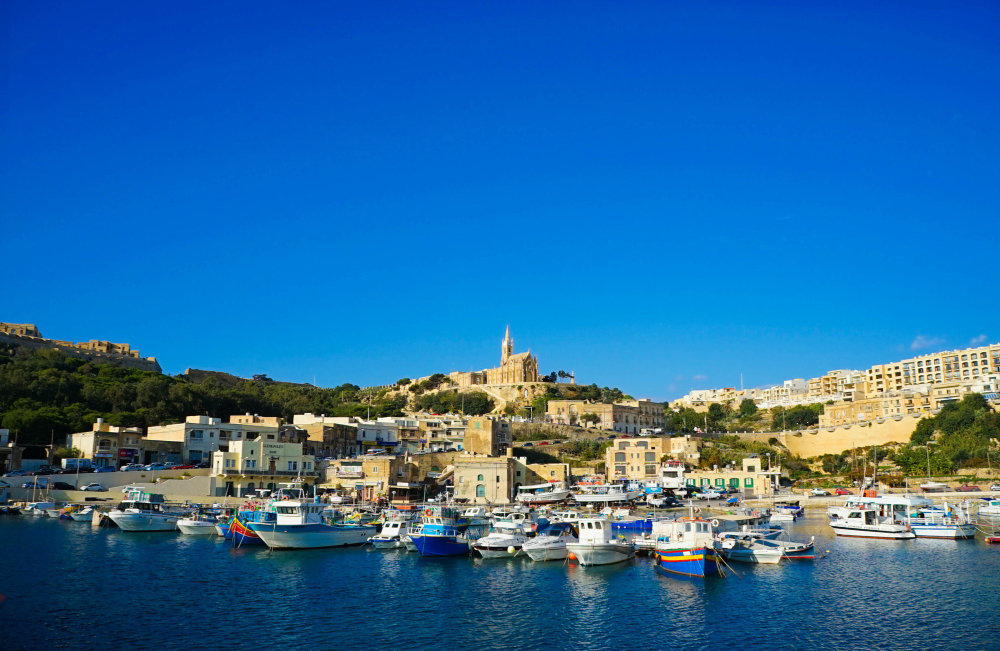
Malta offers a unique blend of affordability and European mobility that is hard to match.
English as an Official Language: 90% of the population speaks English, meaning you can study, work, and live comfortably without a language barrier.
Affordable Excellence: Tuition fees in Malta are significantly lower than in the UK, USA, or Australia, with many high-quality programs starting at just €5,000 to €8,000 per year.
Work While You Study: International students are permitted to work 20 hours per week after their first 90 days, helping you cover living costs while gaining local work experience.
Schengen Gateway: A Maltese student visa grants you visa-free access to all 29 Schengen countries, allowing you to explore Europe during your semester breaks.
Choose a program at a recognized institution (University of Malta, MCAST, or Private Colleges).
Apply and receive your official Letter of Acceptance and pay the initial tuition deposit.
Gather all academic transcripts, notarized sponsorship letters, and financial statements.
Book your slot at VFS Global, KTM. We recommend booking at least 8–12 weeks before your course start
Purchase Schengen-compliant insurance and provide a flight itinerary (dummy/reserved ticket).
Submit your application in person and pay the €100–€150 visa fee.
Some students may be called for a short interview to verify their study intent and English level.
Collect your Visa, travel to Malta, and apply for your e-Residence Card within your first 90 days.
Maltese institutions offer a straightforward but rigorous admission process, focusing on your academic background and English capability.
Academic Qualification: A minimum GPA of 2.4–2.8 is typically required for Undergraduate entry. Master’s applicants need a Bachelor’s degree in a related field.
English Proficiency: While many colleges accept a "Medium of Instruction" (MOI) letter, a score of IELTS 5.5–6.0 or PTE 50+ is highly recommended to strengthen your 2026 visa application.
Letter of Intent (SOP): You must provide a clear Statement of Purpose explaining why you chose Malta over other English-speaking countries and how the course aligns with your future in Nepal.
Age & Gap: Malta is generally friendly toward study gaps, provided you have relevant work experience to show for that time.
Documentation for Malta must be provided in original and photocopy sets. The Embassy of Malta (via VFS) requires precise financial and legal proof.
Original Acceptance Letter: A formal letter from a Maltese institution stating the course details, EQF level, and duration.
Financial Proof: You must demonstrate at least €18–€25 per day for the duration of your stay (approx. €8,000–€10,000 for a year). This can be shown through:
6 Months Bank Statement (Self or Sponsor).
Notarized Sponsorship Declaration (if supported by parents).
Schengen Travel Insurance: A policy with minimum €30,000 coverage, valid for all Schengen states and specifically mentioning "Study" purposes.
Accommodation Proof: A confirmed rental agreement or hotel booking for the first 14–30 days of your stay is mandatory.
Academic Transcripts: All previous certificates, which must be apostilled or authenticated by the Ministry of Foreign Affairs (MoFA) in Kathmandu.
Tuition (per year)
Living costs (per year)
Visa Processing
VFS & Checklist Experts: Malta’s visa documentation is highly specific. We ensure every document—from your "Declaration of Proof" to insurance—meets the 2026 VFS Global requirements.
High Success Rate Specialization: We focus on the National Long-Stay (Type D) Visa, maintaining an industry-leading approval rate by focusing on "Genuine Student" intent.
University Partnership: We guide you toward institutions like the University of Malta and MCAST, as well as reputable private colleges that offer the best Return on Investment (ROI).
Accommodation Assistance: Malta is a small island with high demand. We help you secure confirmed accommodation bookings, a mandatory requirement for your visa.


What Our Students Say About Us
I love the Mediterranean lifestyle. The team helped me find affordable accommodation in Valletta, which was a huge relief for my visa.
Malta is the best-kept secret of Europe. Dream Next helped me get into an English-speaking environment with a high visa success rate!
Work rights in a Schengen country while studying in English—Dream Next showed me exactly how to make the most of my time in Malta.
Yes! The Maltese government offers a tax credit scheme that can refund up to 70% of your tuition fees once you graduate and start working in Malta.
Yes, some private colleges allow admission with a "Medium of Instruction" letter if your previous education was in English. However, having an IELTS (5.5+) or PTE score significantly increases your visa success rate.
Malta currently has one of the highest approval rates in the Schengen zone for students with clean documentation, ranging between 85% and 95%.
International students on a long-term visa can apply for a work permit after 90 days of residency. You can work up to 20 hours per week during term time.